
From 28 to 30 September, ISEM Packaging Group will take part in Luxe Pack Monaco 2026 (STAND RB07), the international event dedicated to premium and luxury packaging. This year’s programme addresses some of the changes reshaping the industry: the transformation of supply chains, the reconfiguration of global markets, supply security and the future of European manufacturing.
Among these topics, one is particularly relevant to the path we have undertaken as a Group: the new global geography of luxury. This is not simply about identifying growing markets. The shift concerns the way brands operate across different regions, cultures and production networks and, consequently, the type of support they require from their partners.
Global scale, without losing local expertise
Luxury brands today need to maintain a consistent international vision while, at the same time, understanding the expectations, codes and specific characteristics of different markets. The same balance applies to the production value chain. Operating on a global scale does not mean standardising expertise and processes, but rather being able to coordinate different capabilities, often rooted in territories with a strong industrial and artisanal tradition.
International scale, end-to-end integration and local specialisation are therefore not alternative models, as they may once have been considered, but increasingly complementary dimensions that the most advanced partners need to connect within a single system.
From supplier to end-to-end partner
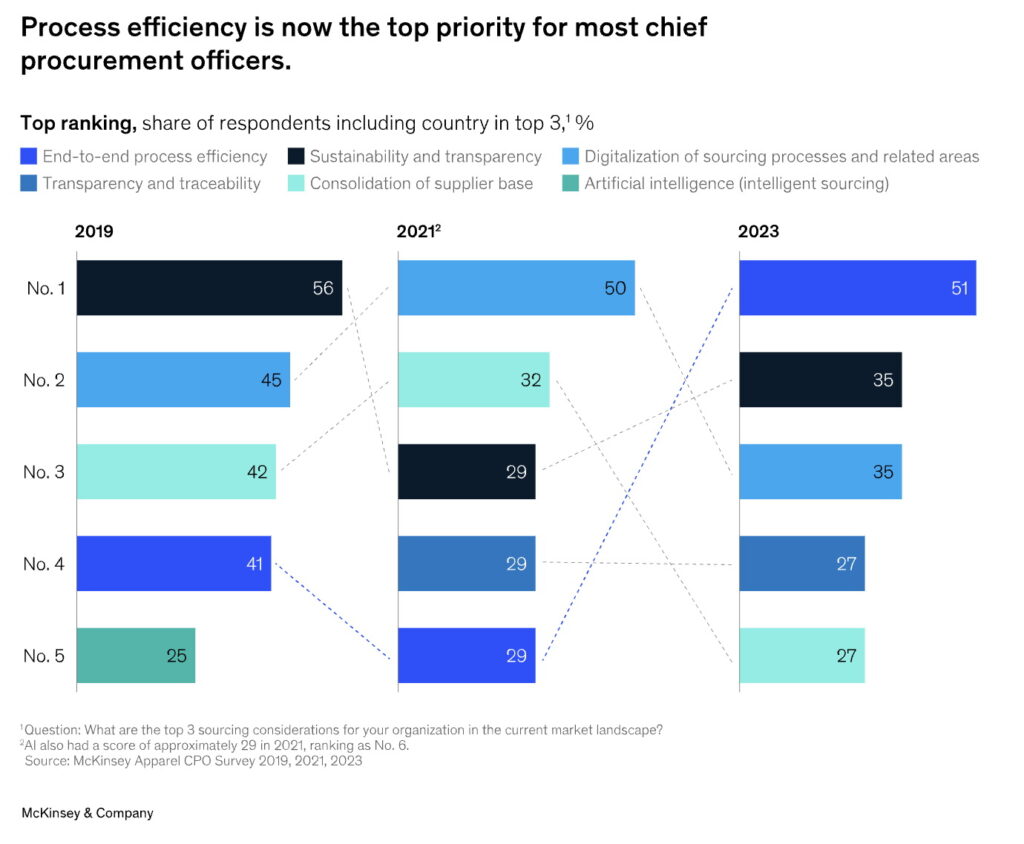
McKinsey’s research, “Reimagining the apparel value chain amid volatility”, conducted among procurement leaders from fashion and footwear companies representing approximately $110 billion in annual sourcing spend, shows that end-to-end efficiency has become the top sourcing priority for around half of respondents. At the same time, brands are consolidating their supplier base and developing more strategic relationships with their key partners.
The scope of operations is also expanding. PwC notes that a truly end-to-end approach cannot be limited to production and logistics, but must also integrate product development, R&D, suppliers, compliance, data and technology, reducing fragmentation and delays throughout the process.
In luxury packaging, the Bain–Fedrigoni “Paper & Packaging Report 2026”, based on 561 industry players, also highlights the need for increasingly close collaboration between brands, designers, material producers and converters.
ISEM Packaging Group’s end-to-end model
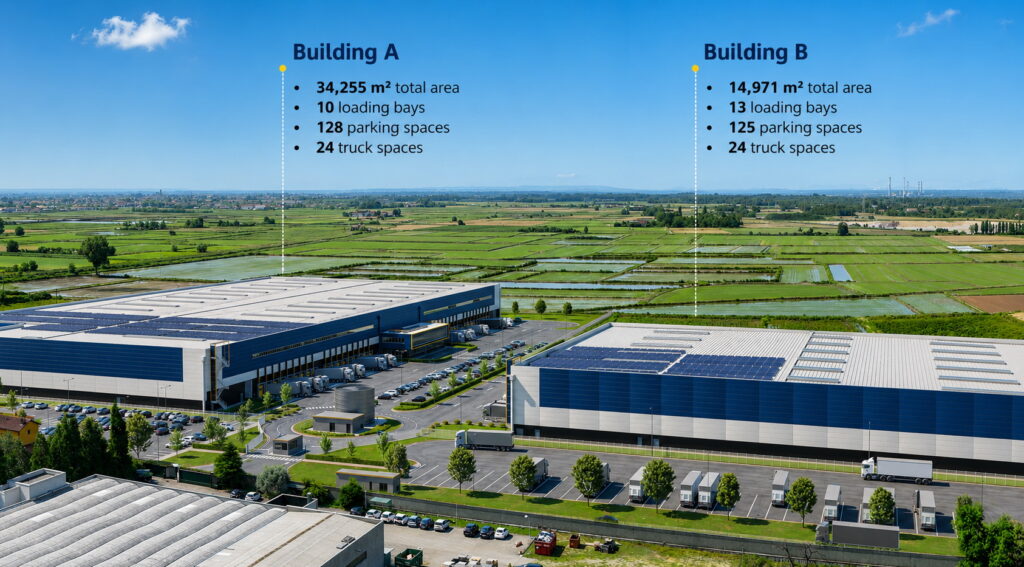
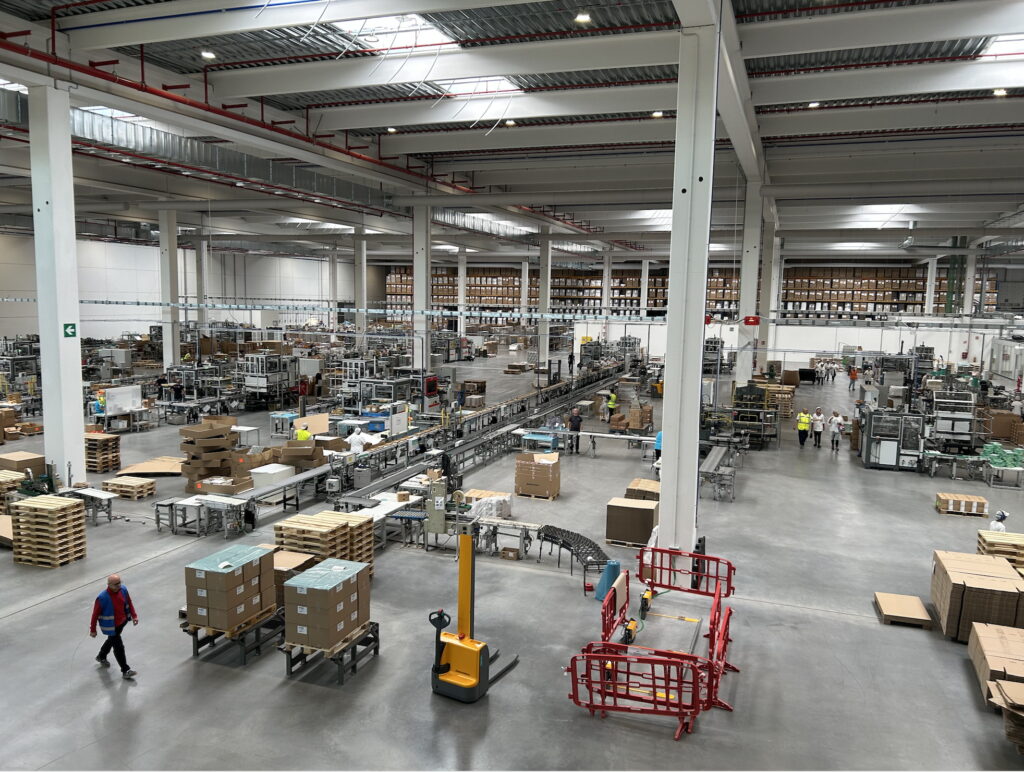
A concrete example of this integration is the new hub inaugurated by ISEM Packaging Group in Trecate, conceived as an integrated hub for production and co-packing. The site brings production, co-packing, storage and logistics together within the same operating system, with one facility dedicated to production activities and a second one devoted to warehousing and logistics. A model that reduces handovers between different parties while increasing control, flexibility and efficiency throughout the entire process.
In this sense, end-to-end is not simply an expansion of the service offering, but a different way of managing the client relationship: fewer fragmented touchpoints, greater control over processes and more coordinated management of the different stages, from packaging through to delivery.
Today, the role of the packaging partner goes beyond simply fulfilling a supply order. It means supporting the project through coordinated expertise: from concept development and engineering to production, co-packing, logistics and delivery.
ISEM Packaging Group’s model is built on this integration: an international platform capable of managing the entire journey, from concept to delivery.
Global Vision, Local Intelligence
An integrated vision does not diminish the value of local specialisations. On the contrary, it makes it possible to recognise them, connect them and make them available on an international scale.
The literature on industrial clusters distinguishes between knowledge developed through local relationships and territorial expertise — the so-called local buzz — and connections built with international markets and stakeholders, defined as global pipelines. It is through the interaction between these two dimensions that new processes of learning and innovation can emerge.
In luxury, this balance is particularly important. Production territories concentrate expertise that cannot be easily standardised: knowledge of materials, technical capabilities, attention to detail, flexibility and the ability to respond quickly to specific requirements.
In an interview with McKinsey, Carlo Capasa, President of the Camera Nazionale della Moda Italiana, describes the value of Italian industrial districts precisely in terms of their ability to generate creativity, operational speed, flexibility and efficiency. According to Capasa, the challenge is to achieve greater scale without sacrificing the creativity and distinctive qualities of specialised companies.
The global dimension therefore does not replace local heritage. Its value lies in the ability to integrate it into a broader system, ensuring continuity, coordination and shared standards for brands.
A network of complementary expertise
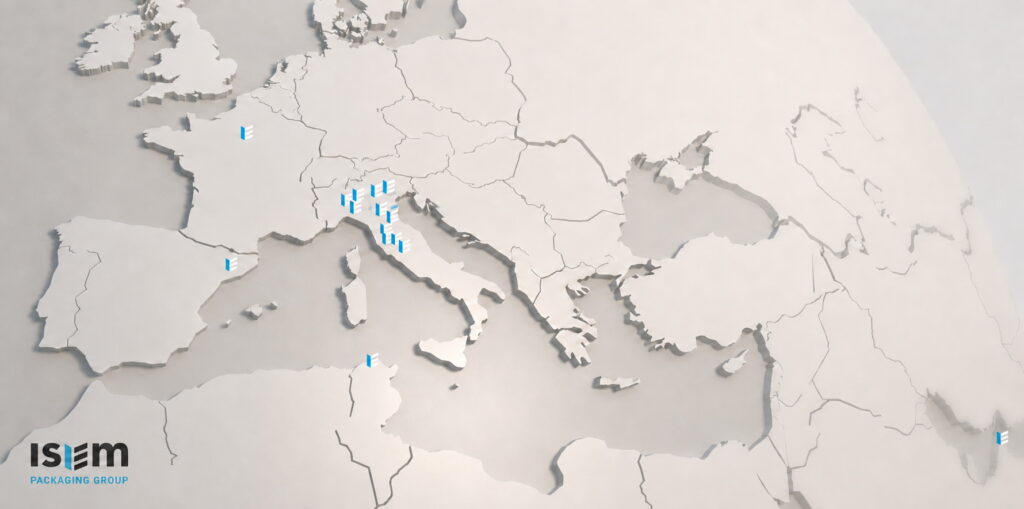
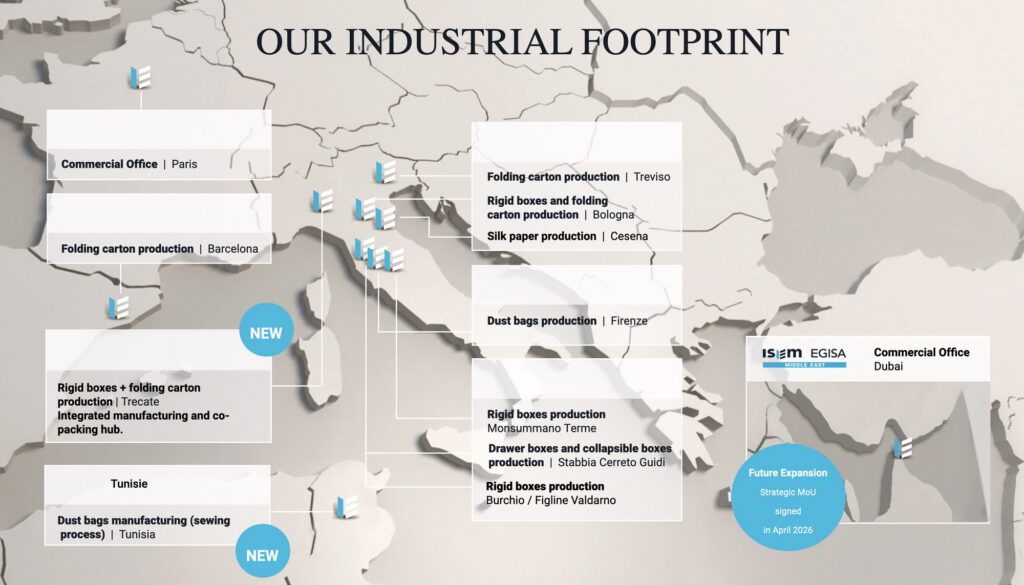
The ISEM Packaging Group model is built on a combination of international presence, specialised expertise and proximity to markets.
In Italy, the Group brings together a network of long-established companies specialising in rigid boxes, folding cartons, textile packaging and silk paper, combining artisanal know-how, industrial technologies and co-packing and logistics services.
In Spain, EGISA brings more than sixty years of experience in high-end folding cartons, with strong expertise in the perfumery, cosmetics, wine & spirits and gourmet food sectors. The Barcelona site combines industrial capabilities, the development of tailor-made solutions and extensive experience with international brands.
In France, a well-established commercial presence spanning more than twenty-five years provides not only proximity to leading luxury brands, but also market intelligence and direct insight into the evolution of their needs. The Paris office, focused on beauty, is complemented by more than forty years of experience developed directly from Italy and Spain in the fragrance and fashion sectors.
In the Middle East, ISEM EGISA Middle East combines a commercial presence in Dubai with EGISA’s long-standing experience in the region, enabling the Group to gain a closer understanding of the dynamics, expectations and specific characteristics of a market that is becoming increasingly important within the international luxury landscape.
The footprint now also includes ISEM Tunisia, a new site dedicated to textile packaging sewing activities, representing a further step in the development of the Group’s international industrial platform.
This is therefore more than simply a geographical network. Each territory contributes specific production expertise, market knowledge, commercial proximity or service capabilities, coordinated within a single platform.
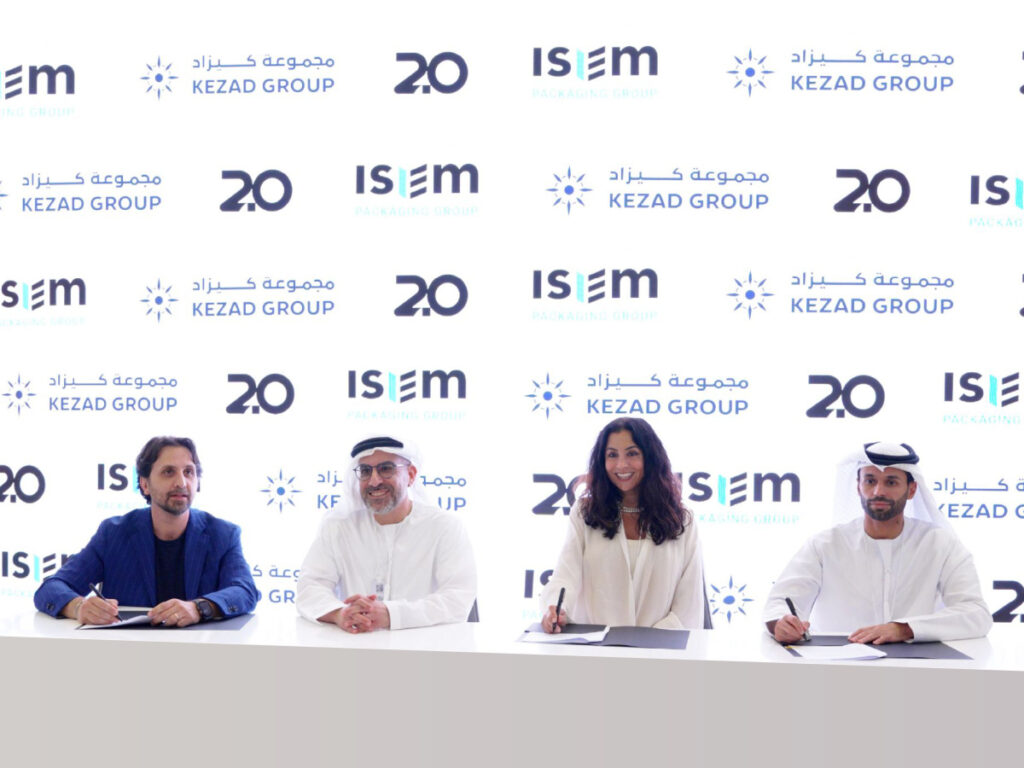
Image: the signing of the Memorandum of Understanding to explore the development of a new industrial platform in Abu Dhabi.
From commercial presence to industrial proximity
This evolution is particularly relevant in the Middle East, a region that is playing an increasingly central role in the global luxury and beauty landscape. Today regarded as one of the leading international hubs for the beauty sector, the region is characterised by young consumers, new cultural codes and rapidly evolving expectations. In this context, being closer to the market means gaining a more direct understanding of its needs, dynamics and specific characteristics.
This is the direction behind the Memorandum of Understanding signed by ISEM Packaging Group to assess the development of a new production platform in Abu Dhabi. The project, currently under evaluation, could lead to the creation of a facility dedicated to high-end packaging for the UAE and GCC markets.
The objective is to complement the Group’s commercial presence with production capabilities closer to customers, developed according to European standards. The expected benefits include shorter lead times, greater market proximity, local supply and a more resilient supply chain.
The project shows how international expansion does not necessarily have to rely solely on exports from a single production centre. It can also mean exploring new industrial configurations capable of responding more quickly to local markets while maintaining shared standards, expertise and coordination.

ISEM Tunisia: integrating new capabilities into the Group’s model
The recent opening of ISEM Tunisia follows a different rationale from the Group’s presence in the Middle East. The new site was not established to develop the Tunisian market, but as an industrial extension of Sacchettificio Toscano, dedicated to textile packaging sewing and manufacturing activities.
Beyond increasing production capacity, the project reflects the Group’s strategy of progressively internalising strategic manufacturing capabilities and strengthening control over its value chain. For luxury brands, this means greater consistency, traceability, continuity and supply chain reliability.
As Catia Tempesti, Managing Director of Sacchettificio Toscano, explains, Tunisia was selected following a process of evaluation and direct knowledge of the local industrial landscape: “Before launching the project, we had the opportunity to engage with several manufacturing companies, which allowed us to understand the potential of the country, particularly in the textile manufacturing sector. We found a strong manufacturing tradition, people with a natural aptitude for textile production and, above all, the opportunity to build and develop specific skills over time.”
The project therefore combines Sacchettificio Toscano’s know-how and standards with the development of new local expertise. Tempesti directly links this approach to the Group’s international vision: “For us, being an international Group does not simply mean being present in different countries. It means being able to identify the skills and potential of each territory, enhance them and integrate them within a shared industrial culture.”
As Tempesti also points out, the objective is not to replace one structure with another, but to create complementarity between specialised sites, combining know-how, development, industrialisation and production capacity within a coordinated industrial ecosystem.
This integration is also supported by a strong focus on skills development: “At the same time, we invest in people and in building new local professional capabilities. The value of the project comes from bringing these two components together: a global vision supported by local expertise, united by a single quality standard.”
As Tempesti explains, the ambition is not simply to expand production capacity, but to strengthen the Group’s industrial model and support international growth without losing identity, control or industrial culture.
One platform, multiple centres of expertise
The new geography of luxury calls for more than a greater international presence. It requires models capable of connecting different markets, capabilities and services without increasing complexity.
For ISEM Packaging Group, this means coordinating a network of complementary capabilities through an end-to-end vision: concept development, multi-product manufacturing, co-packing, logistics and distribution. A shared platform, supported by expertise rooted in local territories and by direct knowledge of the markets.
This is the balance between Global Vision and Local Intelligence that ISEM Packaging Group will bring to Luxe Pack Monaco 2026. Visit us at STAND RB07.