In 2026, ISEM Packaging Group received the EcoDesignCloud Certified Advocate Badge, a recognition awarded to companies that structurally integrate eco-design tools into their design processes.
For us, this recognition formalises an approach we have chosen to adopt: making sustainability an integral part of the design phase, rather than an additional element assessed at the end of the process.
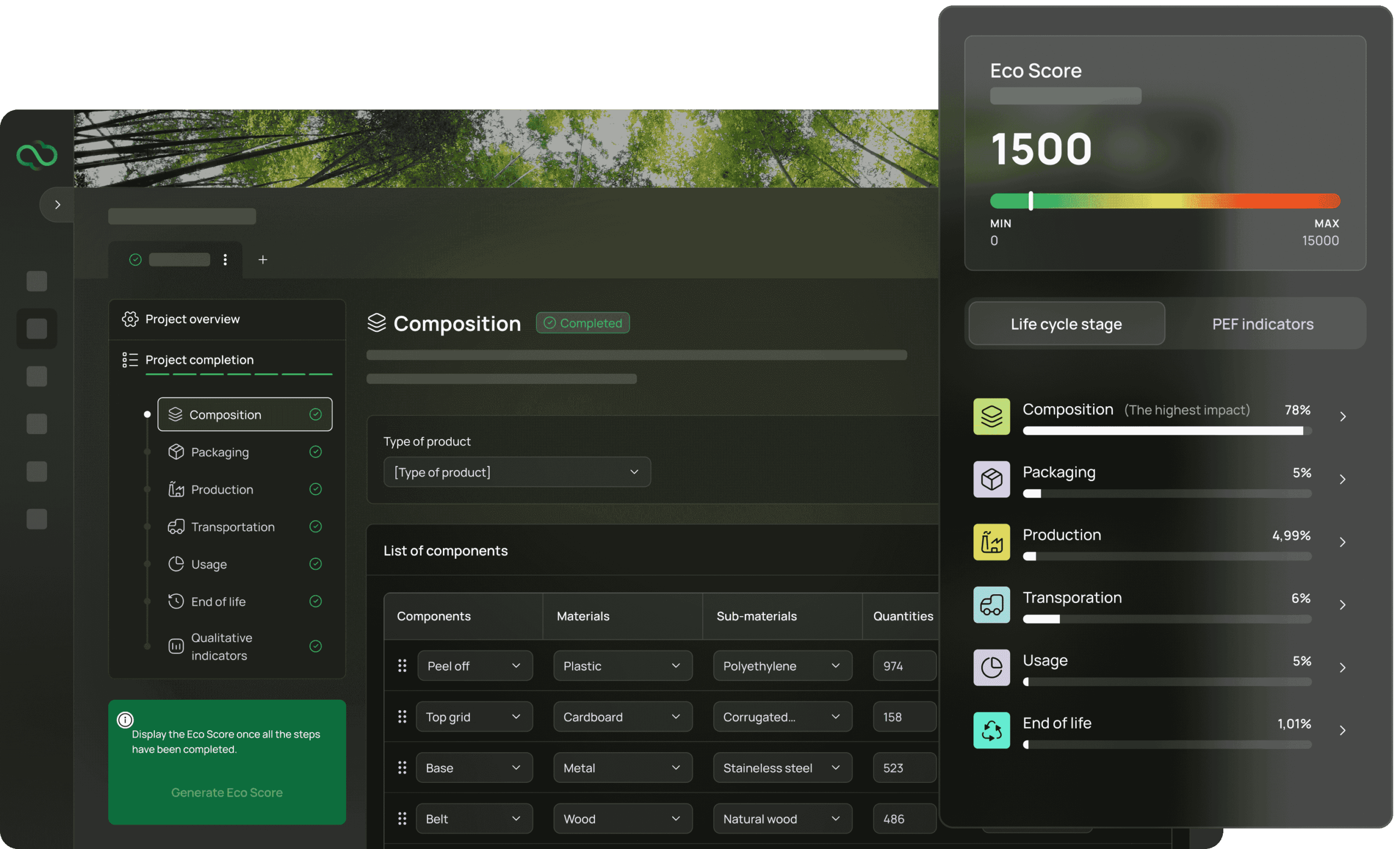
Image credits: EcoDesignCloud
What EcoDesignCloud is
EcoDesignCloud is an international platform developed to support designers, retailers and manufacturers in managing and reducing environmental impact across the entire value chain. Today, the system is adopted by a global network of more than 600 professionals and companies across 35 countries, united by the common objective of defining new standards for sustainable retail and packaging.
EcoDesignCloud integrates automated Life Cycle Assessment (LCA) tools, enabling the simulation and comparison of different packaging configurations (materials, structures, formats, finishes) and the calculation of an Ecoscore, a synthetic indicator that allows the environmental impact of alternative options to be assessed and compared. Its purpose is to support creativity and technical expertise by integrating an objective parameter, based on structured data, into the design phase, making decisions more informed and documentable.
In addition, EcoDesignCloud enables companies to align with key European sustainability regulations, including the CSRD (Corporate Sustainability Reporting Directive), supporting environmental impact reporting at company, subsidiary and activity level.
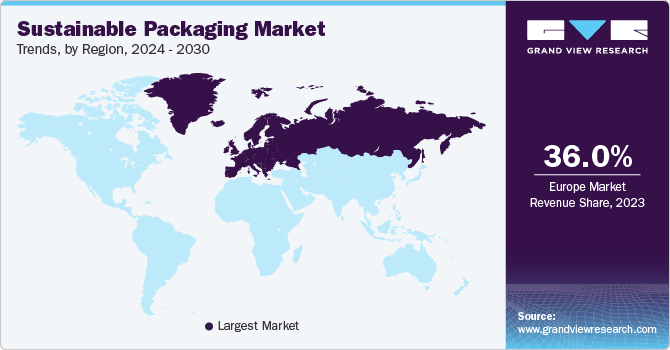
Image credits: McKinsey & Company
Why sustainability claims are no longer enough
Sustainable packaging is now an integral part of brand strategies at a global level. It is no longer merely a value-driven sensitivity, but a factor that concretely influences brand perception and purchasing decisions.
The Pro Carton Consumer Survey 2025 highlights that 75% of consumers consider packaging sustainability to be an “important” or “very important” factor, while 64% believe packaging directly influences their perception of a company’s commitment to sustainability.
At a global level, recent research – including a McKinsey study conducted among more than 11,000 consumers across 11 countries – confirms that packaging sustainability is increasingly embedded in product evaluation criteria and that brands and manufacturers are perceived as primarily responsible for driving this transformation.
In this context, sustainability is no longer just a statement of intent: it becomes a design criterion that influences reputation, brand coherence and competitiveness.
From downstream assessment to upstream design
Traditionally, the environmental impact of packaging is analysed at the end of the development process, when key design decisions have already been made. By integrating EcoDesignCloud into our processes, we at ISEM Packaging Group have chosen a different approach: using the tool from the earliest stages of design to compare options and guide decisions in a conscious and structured way.
Being a Certified Advocate means generating between 100 and 499 Ecoscores each year and demonstrating a structured use of data as concrete support for design decisions. Today, this method is active within ISEM and will progressively be extended to the other companies within the Group.
Here is how ISEM Packaging Group uses EcoDesignCloud in practice.
1. Comparison during the design phase
During design development, we compare alternative materials, structures and technical solutions before production begins. Even seemingly minor choices—such as a different internal support, a different grammage or a lighter structure—can generate significantly different environmental impacts.
2. Measuring impact through the Ecoscore
Each project can generate an Ecoscore, making sustainability measurable and comparable. Sustainability thus becomes an objective parameter, alongside aesthetics, costs and technical performance. This allows us to:
- quantify differences between options;
- support documented decisions;
- integrate environmental criteria into decision-making processes.
3. Supporting strategic decisions
The true value does not lie in the number itself, but in what it enables. Through data, we support our clients in balancing:
- luxury identity and positioning;
- technical performance and product protection;
- environmental impact and alignment with ESG strategies.
In this way, our role extends beyond packaging production and strengthens our consultative dimension, contributing to the definition of the most appropriate solution for each project.

Image credits: EcoDesignCloud
What this means for brands
Integrating measurable eco-design tools strengthens the coherence between brand identity, ESG strategy and concrete design decisions. The global sustainable packaging market—valued at over USD 270 billion in 2023 and expected to grow steadily in the coming years—confirms that this is a structural transformation of the industry, not a temporary trend.
In this context, the ability to measure and compare environmental impact during the design phase enables brands to:
- reduce reputational risk;
- strengthen the credibility of their sustainability strategy;
- anticipate regulatory developments and reporting requirements;
- enhance packaging as an integral part of brand image.
In the luxury sector, where coherence and detail are central, integrating objective data into decision-making represents a further step towards more conscious and market-aligned design.
A concrete example: when data guides decisions
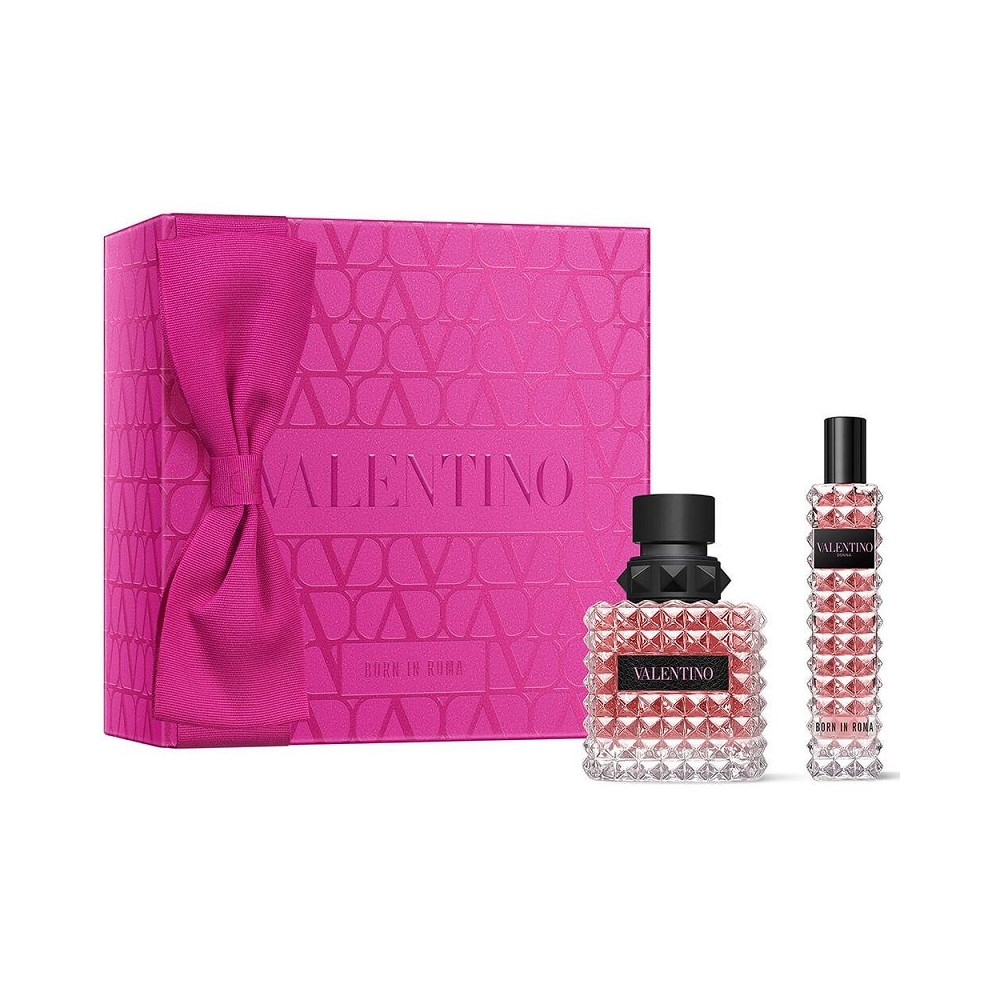
Some projects clearly demonstrate how this approach translates into measurable results. This is the case of a gift box for an iconic luxury brand, where the adoption of more sustainable design solutions resulted in an estimated saving of 420 tonnes of CO₂e per year—equivalent to the annual carbon footprint of approximately 40 European households.
Beyond the numerical figure, what stands out is the possibility of integrating environmental impact into decision-making criteria from the earliest stages of the project, without compromising aesthetics or premium positioning.
As Cyril Chapuy, President of L’Oréal Luxe and Certified Ambassador EcoDesignCloud, stated: “As the leader in luxury beauty, re-inventing the most memorable retail experiences with the lowest environmental impact is our responsibility and we must embrace this change collectively with our suppliers and retailers worldwide.”
Towards a shared standard
For ISEM Packaging Group, integrating EcoDesignCloud into our processes does not represent a final achievement, but a step within a broader journey focused on measurability and transparency.
In luxury packaging, quality is expressed not only through attention to detail and excellence of materials, but also through the ability to design responsibly and consciously. For this reason, our Group has chosen to integrate tools that make the impact of design decisions visible from the earliest stages.
Through the structured use of the Ecoscore, ISEM Packaging Group supports brands in a more informed decision-making process, where sustainability, performance and brand identity can coexist coherently. In a context where transparency and accountability are increasingly central, this approach contributes to defining an evolution of luxury packaging: a balance between desirability, efficiency, innovation and responsibility.