
Every year on March 8, International Women’s Day provides an opportunity to take stock of the progress made toward equality, as well as the challenges that remain.
Originating in the early 20th century around fundamental demands—equal pay, fair working conditions, and recognition of basic rights—this day continues to be a key moment to reflect on the role of women in society and in the workplace.
More than a century after the first conference dedicated to Women’s Day, work remains one of the main arenas where these issues are still at stake.
The European context: employment and manufacturing
According to the most recent available data, in the European Union the female employment rate stands at around 70.8%, compared with 80.8% for men, a gap of about 10 percentage points.
Looking specifically at managerial roles, in 2024 women held 35.2% of all managerial positions in the EU, representing an increase of 3.4 percentage points compared with 2014.
However, when focusing on the manufacturing sector — our industry — and more specifically on industrial fields such as packaging and processing, female representation tends to decline further.In sectors comparable to industrial packaging, the share of women may stand at around 31%, dropping to approximately 14% among senior management and executive roles.
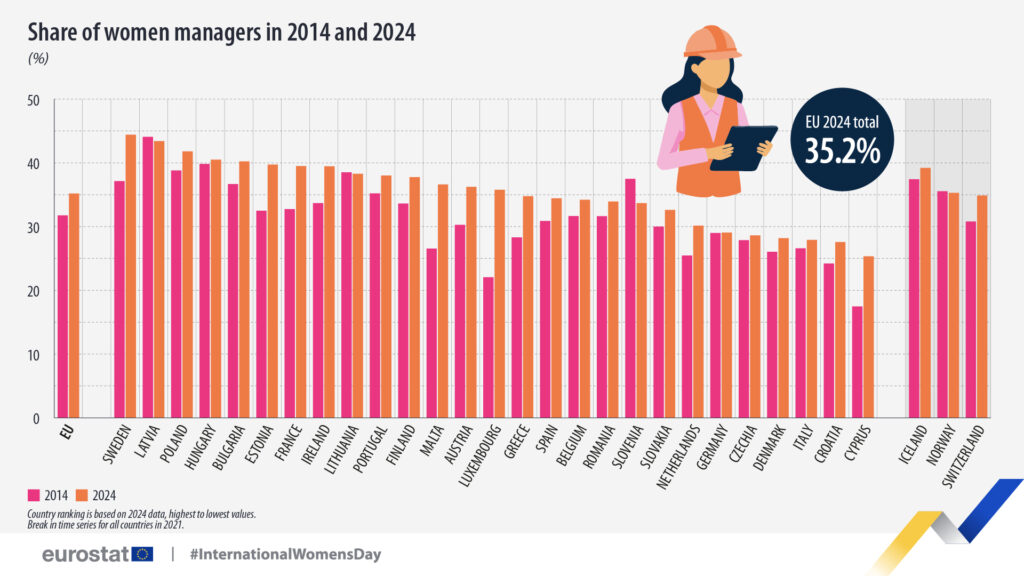
Source: Eurostat, 2026
Looking beyond Europe, the data confirms this strong polarization: globally, women in the packaging industry are concentrated in 74% of support roles (packaging, supervision, quality control), but represent only 7–11% of positions with P&L responsibility (Profit & Loss), meaning roles with direct economic responsibility for production departments.
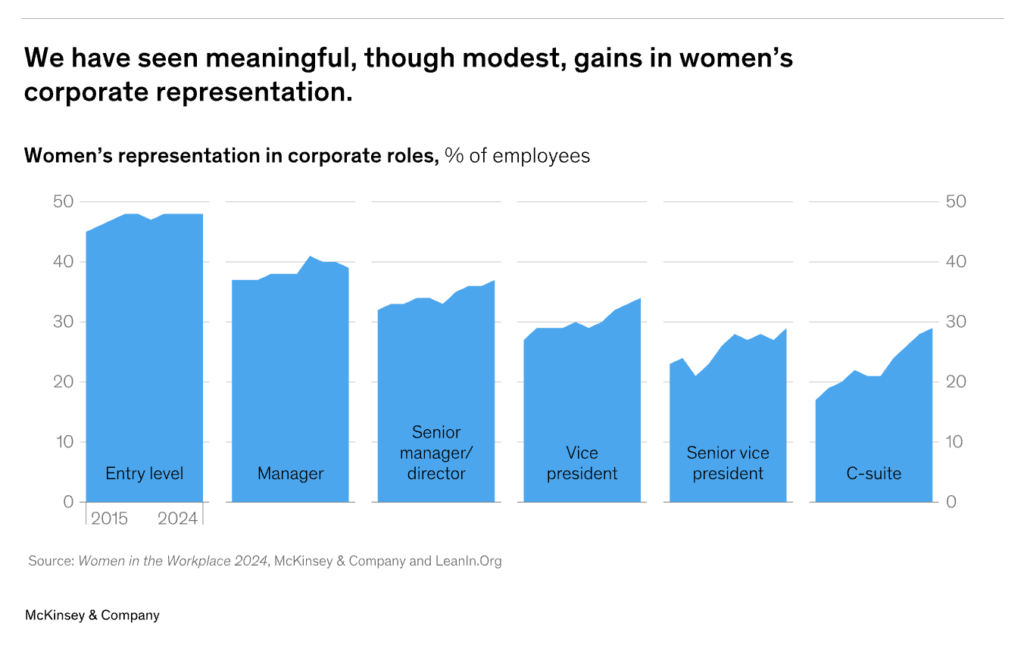
Source: McKinsey & Company
These figures help frame the context: industry, and particularly sectors with a strong technical and production component, remains an environment where female representation is not yet fully balanced.
Today, balanced participation in the workforce is a crucial issue from two perspectives: equity and competitiveness. It has become increasingly clear that fully integrating female talent at every level of business expands the potential for innovation, vision and growth within companies and markets.
It is within this broader context that we would like to share the experience of ISEM Packaging Group, through the perspective and journey of two female leaders who exemplify the evolution of women’s leadership in the packaging industry.
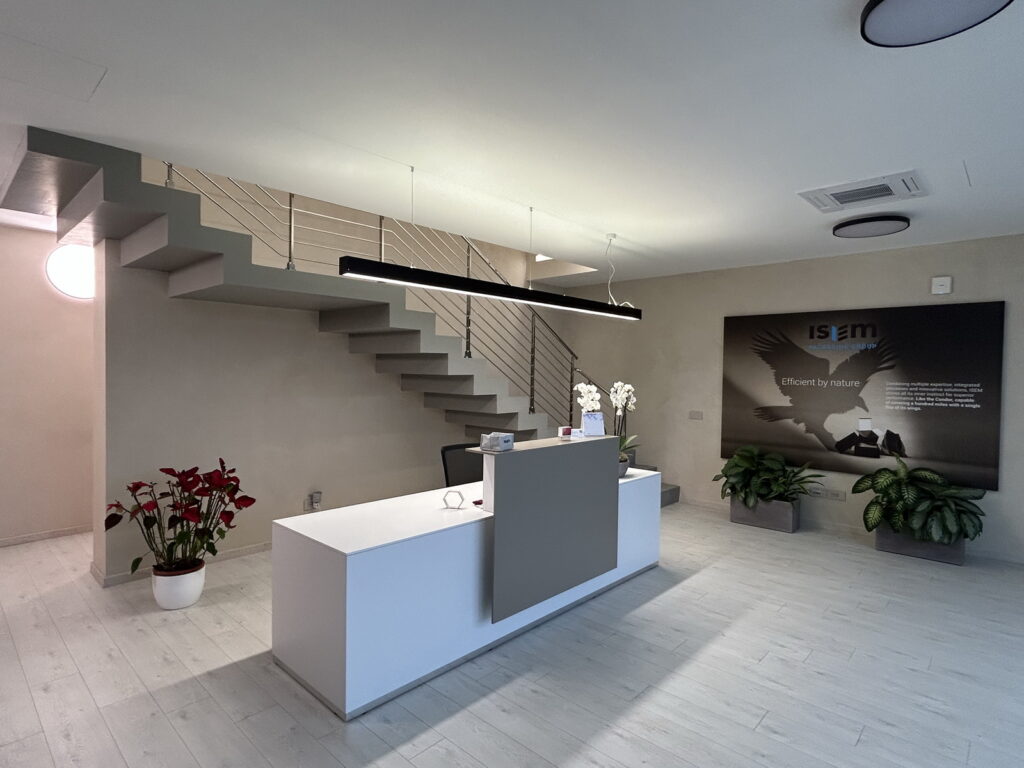
ISEM Packaging Group: an internal snapshot
As reported in our Sustainability Report in 2024 women represented 34.7% of the Group’s workforce, up from 32.7% in 2023, an increase of 2 percentage points (+6.1%).
Within the organizational structure, female representation is particularly significant in office-based roles, reflecting broader industry trends. However, the figure that stands out is that women account for 40% of managerial positions. In fact, two of the five companies within our Group are led by female CEOs, a noteworthy figure in a manufacturing sector where women remain underrepresented in top leadership roles.
In an industry where female leadership is still a minority, this element deserves to be seen not as a symbolic exception, but as the expression of an industrial structure that integrates skills, responsibility and vision.
For this reason, we would like to introduce you more closely to two leaders we know well: Catia Tempesti and Cinzia Bartoli, CEOs respectively of Sacchettificio Toscano and Bartoli Packaging.
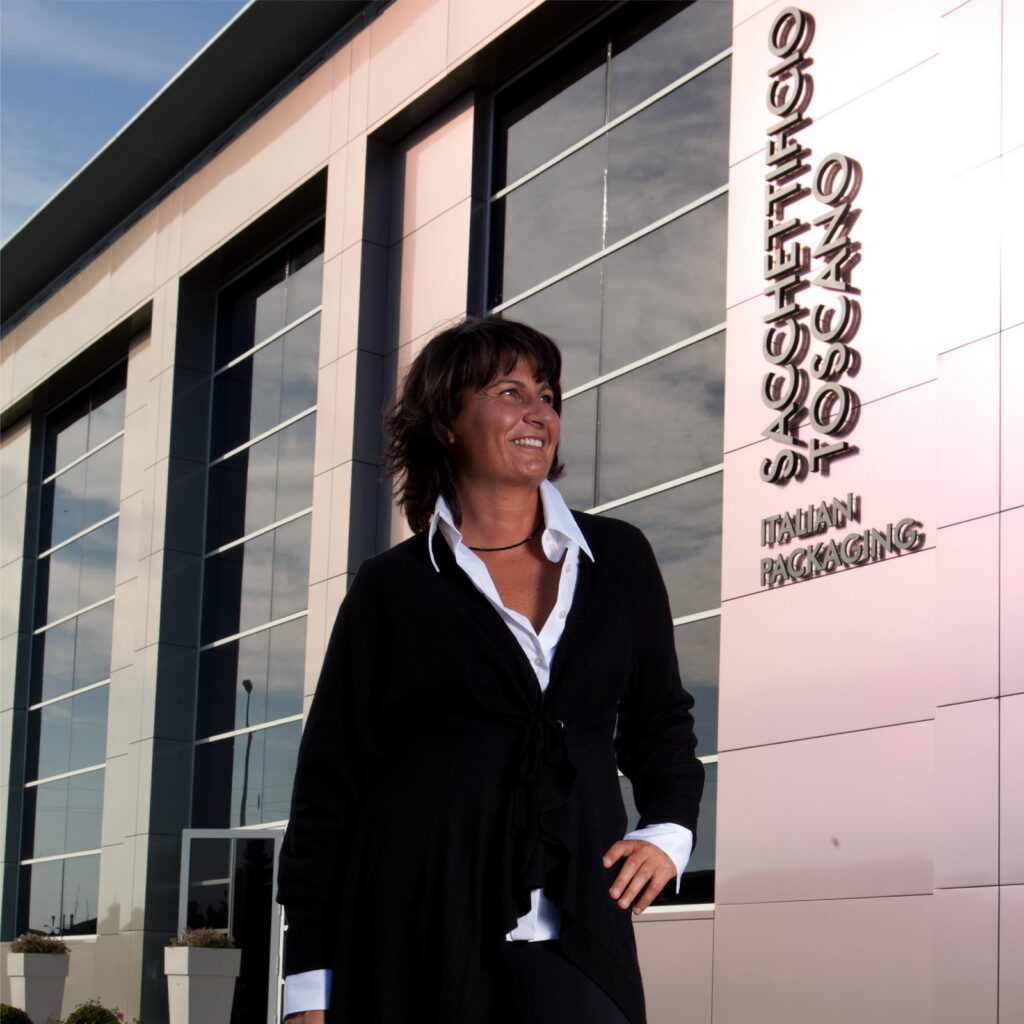
Sacchettificio Toscano: a female heritage at the heart of luxury packaging
“The story of Sacchettificio Toscano began in 1979 with an act of courage and determination entirely driven by women: my mother and my aunt decided to build their own business at a time when many women were mainly engaged in small home-based jobs. In a region like Tuscany, strongly connected to the leather goods and footwear industries, they had the intuition to support the many local manufacturers by producing dust bags — in Florence at the time they were called felpe,” explains Catia Tempesti, who has led the company since 1992.
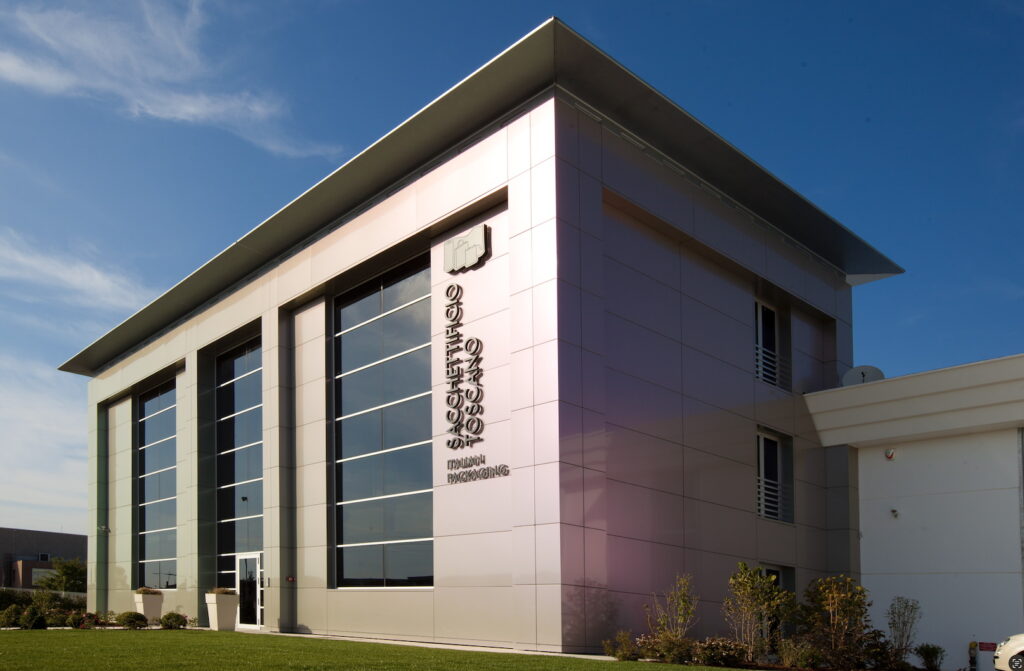
That act of entrepreneurial independence gradually evolved into a manufacturing company now recognized within the luxury textile packaging sector. Over time, the business has grown while preserving its founding values, introducing more advanced machinery, new technologies and a more structured production organization to collaborate with leading international maisons. In the mid‑1990s, this shift marked a turning point: “From that moment, a path of qualitative growth began, with extreme attention to detail and the development of increasingly sophisticated processes.”
The ability to support clients throughout the development phase has become a distinctive element in the company’s relationship with luxury brands, which, as Tempesti explains, “look for partners capable of accompanying product development, not just production.”
Today, the company has a female specialist responsible for rapid prototyping, enabling the team to support clients already in the early stages of research and product definition.
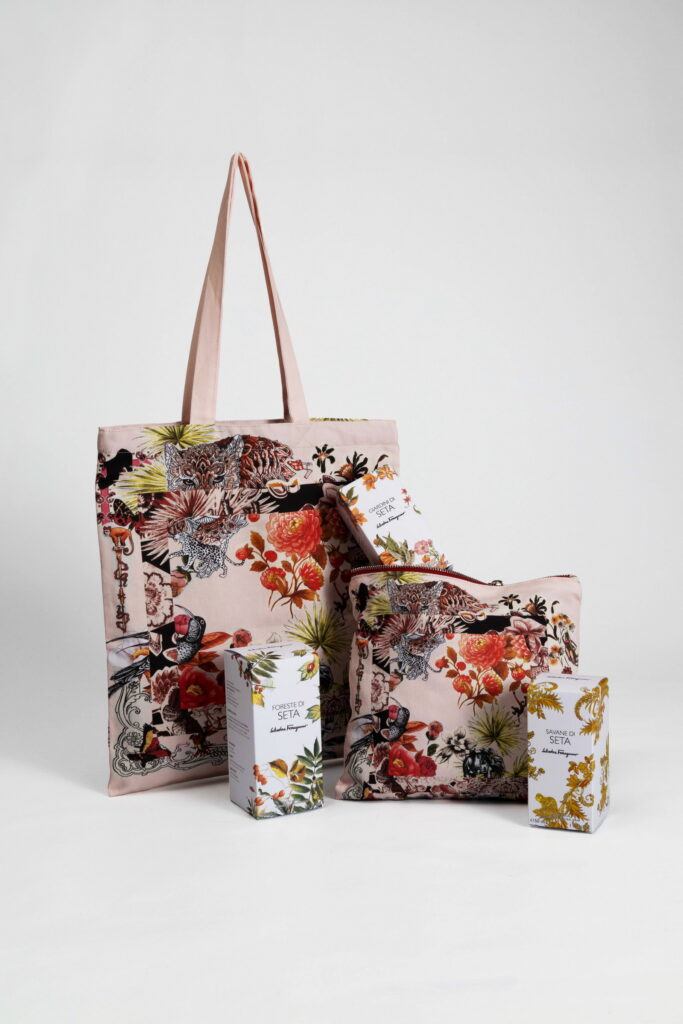
This structure reflects a clear entrepreneurial vision. On the one hand, the company has driven technological evolution through significant investments in its production facilities: “In 2015 Sacchettificio Toscano moved to a new 3,000-square-meter headquarters, recently expanded with an additional 4,000-square-meter facility, allowing the introduction of new machinery and the strengthening of our production capacity.”
On the other hand, the focus has always remained on people: “I fully understood the importance of my role when I realized that the company was not just an economic project, but a community of people and relationships built over time. Being an entrepreneur means safeguarding a history while at the same time preparing it for the future.”
Another key aspect concerns sustainability: “Most of our products are made from 100% cotton, with a growing use of GOTS-certified organic cotton (Global Organic Textile Standard) and GRS-certified recycled cotton (Global Recycled Standard). At the same time, we are developing a production integration between Italy and Tunisia with the goal of strengthening supply chain control, ensuring production continuity and offering luxury brands greater transparency and reliability.”
“The entry into ISEM Packaging Group represents a natural evolution that allows us to preserve our identity and expertise while placing them within a broader industrial project,” Tempesti continues. “The most important value lies in the possibility of developing synergies and cross-selling activities, offering clients comprehensive support across every aspect of packaging: from textile bags to rigid boxes, from folding cartons to tissue paper and other coordinated solutions. This integrated approach strengthens our role as a partner, not just a supplier.”
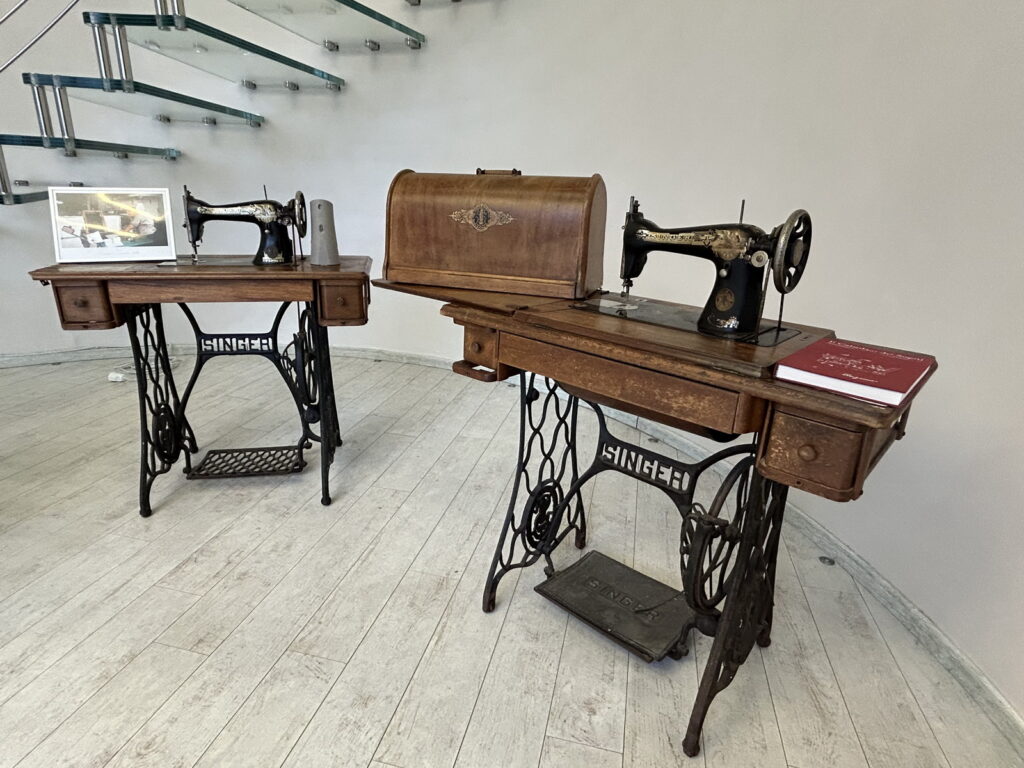
We asked Catia Tempesti how female employment is understood and encouraged within Sacchettificio Toscano. “Female leadership has been part of our identity since the very beginning. Today about 50% of our workforce is made up of women, and in our offices female representation exceeds 90%,” she explained. “Attention to people has always been central: many of our collaborators have been with us for years and have built paths of progressive growth. We have developed a work environment based on trust, flexibility and empowerment.”
How would she define leadership in three words? “Responsibility, respect for people and consistency. I believe in a leadership style based on listening, presence and the ability to build trust over the long term
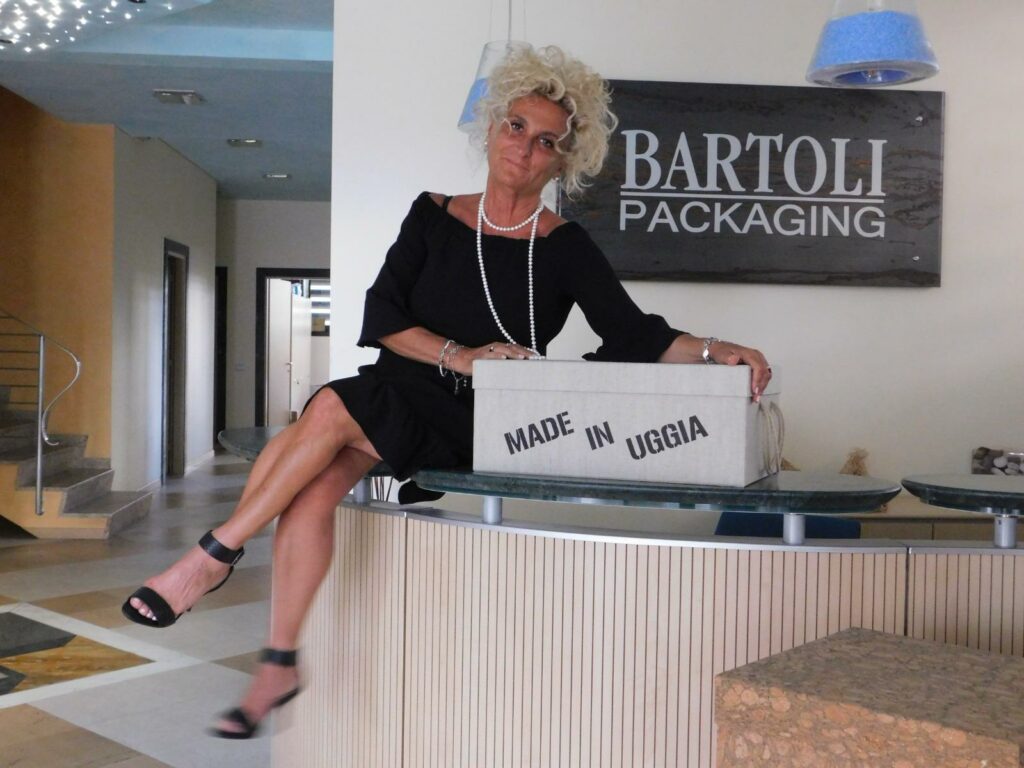
Bartoli Packaging: leadership, creativity and an “unconventional” spirit
The story of Bartoli Packaging is rooted in the Tuscan manufacturing tradition. The company began as a small workshop specializing in hand-woven baskets, an artisanal activity started by Cinzia Bartoli’s grandfather that gradually evolved into a company now recognized within the European luxury paper-based packaging sector.
Leading the company for many years, Cinzia Bartoli describes her entrepreneurial journey as a gradual process, built step by step within the family business. “At the beginning, just after finishing school, I took charge of the entire administrative, accounting and commercial side of the company. The second step was to become involved in production and strategy as well.”
The transition to full entrepreneurial responsibility came both naturally and suddenly. “It was a crescendo, step by step. But if I had to identify a precise moment, I would say the first days after the sudden passing of my father. He was very present in the production side of the business, and his loss made me fully aware, in an unmistakable way, of what I already knew.”
Over time, Bartoli Packaging has developed a distinctive positioning within the luxury packaging sector, built on a combination of flexibility, creativity and adaptability. “We introduced into Bartoli a creative feminine component that is, in some ways, sometimes a little unpredictable.”
A definition that the entrepreneur herself summarizes with a phrase that has almost become an identity marker for the company: “Once someone described Bartoli as an ‘Unconventional Business’. Honestly, I can’t think of a more appropriate term.”
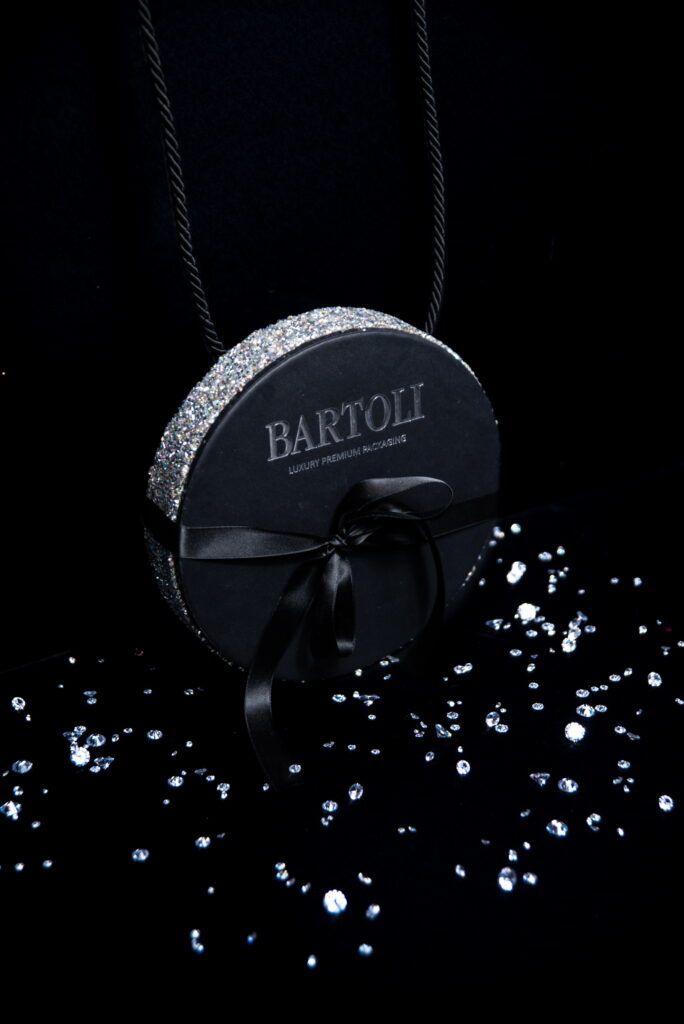
Within this organizational model, the presence of women in key roles has gradually become a structural element of the company. “At Bartoli, women lead. The general manager of our main production site, for example, is thirty years old and joined the company starting from manual production: today she runs the plant.”
A story that reflects well how the company interprets professional growth: valuing internal skills and supporting people through progressive paths of responsibility. For Bartoli, leadership is first and foremost a matter of responsibility toward the people who work within the company. “I am a strong believer in clarity and fairness. Every decision is made by considering its impact on our collaborators. Companies are made of people.”
In a market such as luxury packaging, increasingly international and competitive, the ability to maintain a clear identity and a cohesive team while interpreting the needs of brands today requires a combination of technical expertise and strategic vision. “Total dedication to the client, flexibility, the valorization of our collaborators, attention to sustainability and continuous research—both technological and material. These are themes that are often discussed, but the real difference lies in how they are put into practice.”
An example of this adaptability was a production reshoring project carried out to meet the needs of a strategic client. “At the beginning it had all the characteristics of what could have been an almost ‘kamikaze’ decision, but in the end we succeeded thanks to passion and genuine commitment to the client.”
Even after joining ISEM Packaging Group, Bartoli continues to preserve its distinctive identity within a broader industrial project. “A large and structured group still needs a flexible, adaptable and creative component — perhaps even a little unconventional. That is precisely the contribution we bring.”
Leadership and organizational responsibility
As we have seen, data at both European and global levels confirms that the presence of women in top leadership roles remains significantly lower than their overall participation in the labor market.
Within this context, sharing stories that go against this trend, such as those of Catia Tempesti and Cinzia Bartoli, has a dual significance. On one hand, these examples demonstrate through real entrepreneurial journeys the strength and quality of female leadership; on the other, they represent aspirational figures for the next generation of professionals:
- they make visible the possibility of reaching top leadership roles within the industrial sector,
- they help challenge traditional gender-related paradigms,
- they can contribute to fostering more inclusive workplaces focused on recognizing and developing talent.
Conclusion – A case worth observing
In a sector where female representation at the top is still limited, the presence of women leading industrial companies in the luxury packaging industry carries a meaning that goes beyond the numbers. It contributes to redefining the cultural reference points of the industrial world.
Within an international reality such as ISEM Packaging Group, the stories of Catia Tempesti and Cinzia Bartoli are not the narrative of an exception, but rather the indication of a trajectory: that of a production system capable of recognizing the value of skills, experience and entrepreneurial vision, regardless of gender.
Observing these experiences also means looking at how leadership is evolving today in the manufacturing sector: through solid professional paths, concrete responsibilities and the ability to build organizations in which talent, growth and innovation can fully emerge.